Rafale Fighter Jet: Specs, Price, and Capabilities
Modern fighter jets today are not just flying machines but are a power house of latest aviation technologies that took...
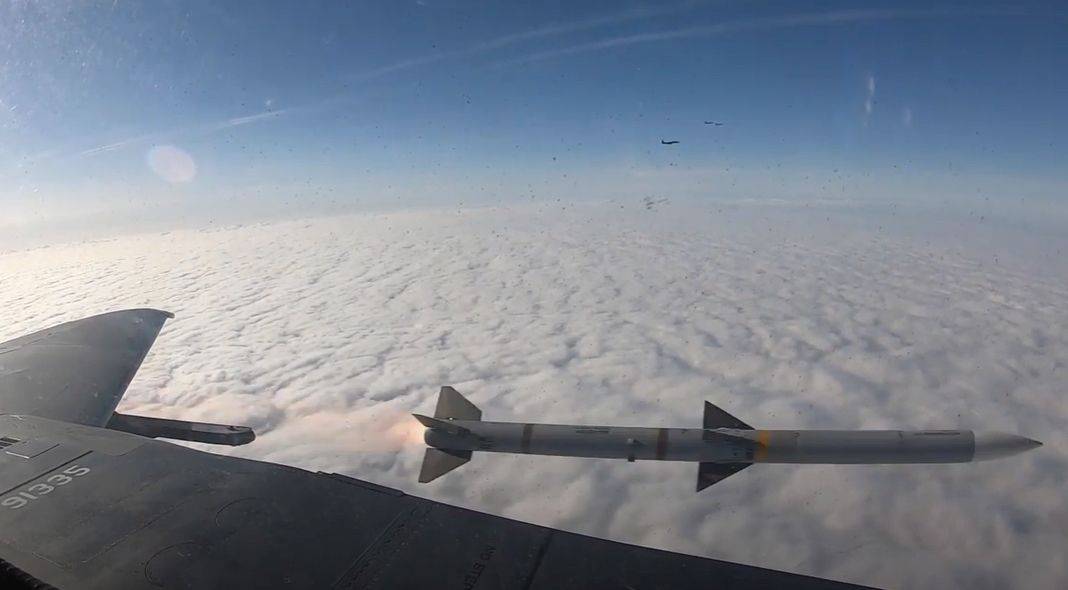
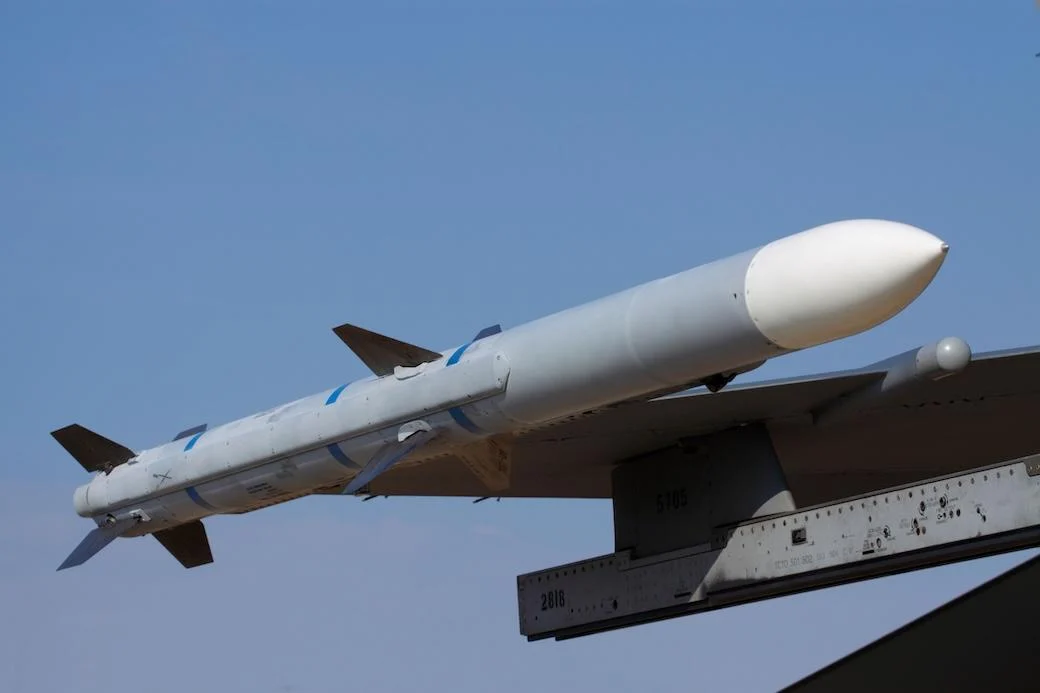
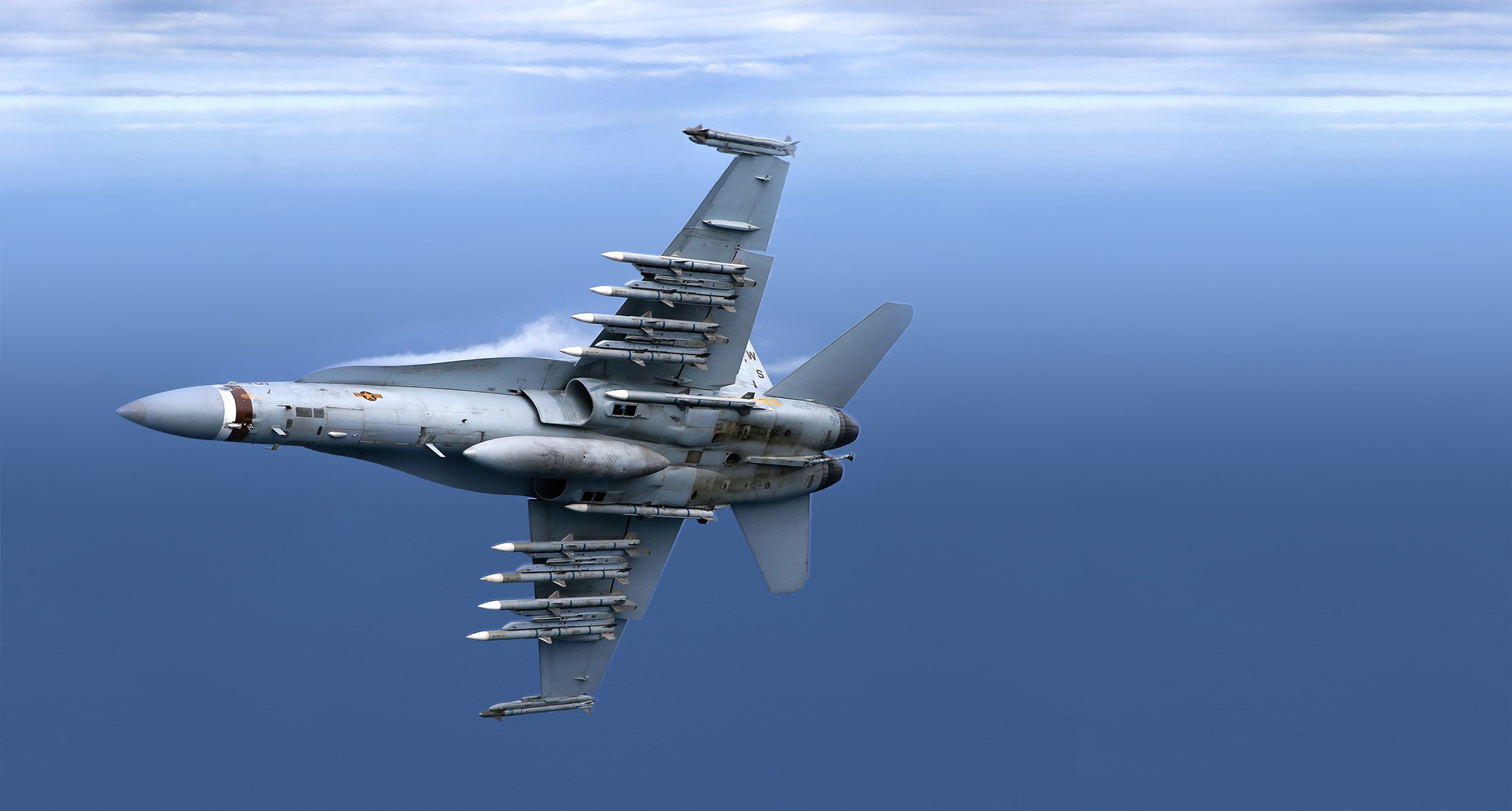
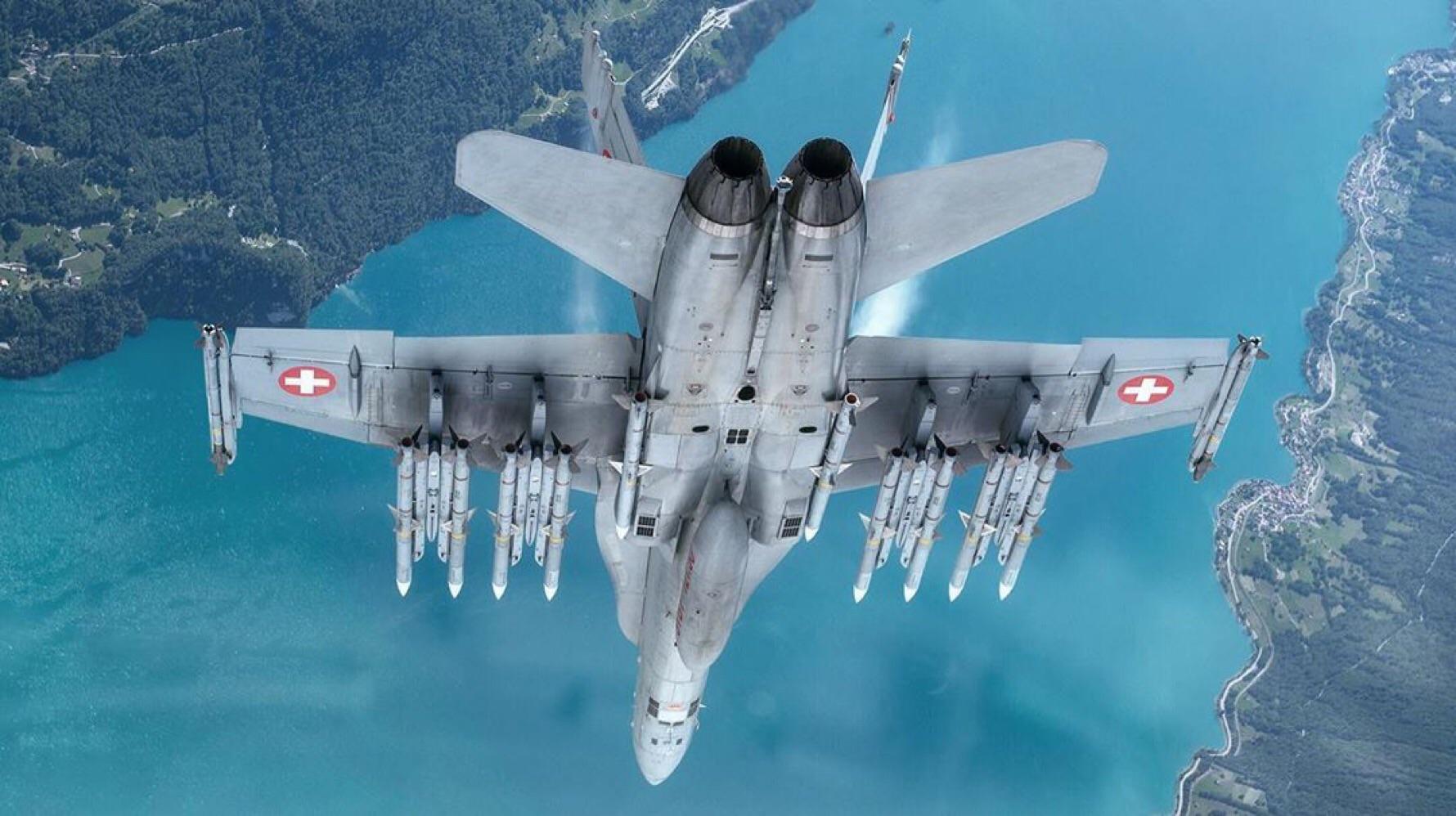
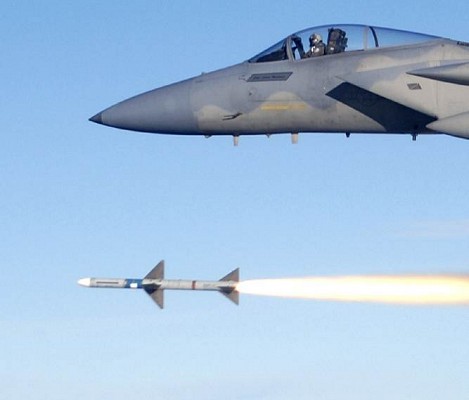
AIM-120 AMRAAM (Advanced Medium Range Air to Air Missile) is a supersonic, all weather, day and night mission capable, active radar guided, fire and forget missile designed to destroy enemy aircraft in BVR (Beyond Visual Range) combat.
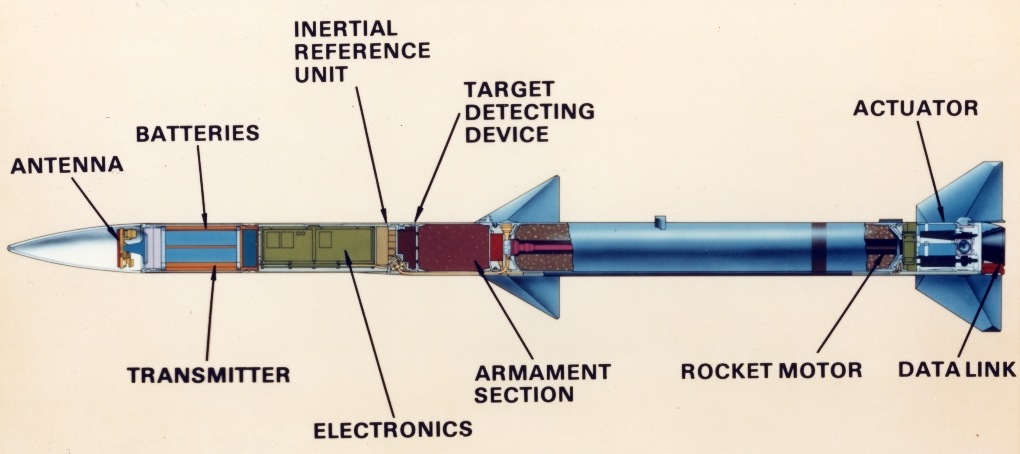
The missile carries it’s own radar which enables the fire and forget capability. Once launched from an aircraft, the active radar in the missile nose takes over and guides the missile to it’s target. The fire and forget capability with onboard active radar enables the pilot of the aircraft to take evasive maneuvers to avoid entering into enemy air space and evading enemy air defense systems.
The AIM-120 AMRAAM missile was developed in the 1980 to replace AIM-7 Sparrow Air to Air Missile. The AIM-7 Sparrow missile was a BVR, semi-active radar homing air to air missile. Once launched from an aircraft, the AIM-7 Sparrow missile relied on the launch aircraft radar. It required the pilot to maintain the radar lock on the target so that the missile can guide itself to the target.
This posed considerable risk to the launch aircraft both from enemy aircraft and air defense system as the launch aircraft cannot steer away or perform evasive maneuvers to avoid enemy air to air and surface to air missile (SAM).
So a program was launched to develop a new air to air missile with it’s own active radar so that pilot of the launch aircraft can focus on other targets after launching the missile. Hughes Aircraft Co. and Raytheon were selected to develop the new missile. The first production missile AIM-120A was delivered to US Air Force in 1991.
AIM-120B was inducted in 1994. The new version enabled the missile to be reprogrammed without upgrading the hardware.
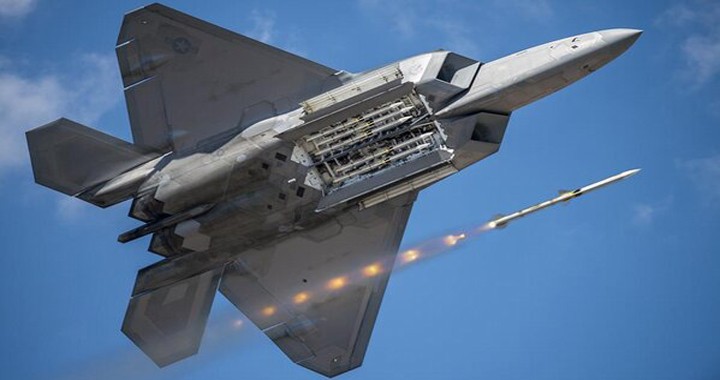
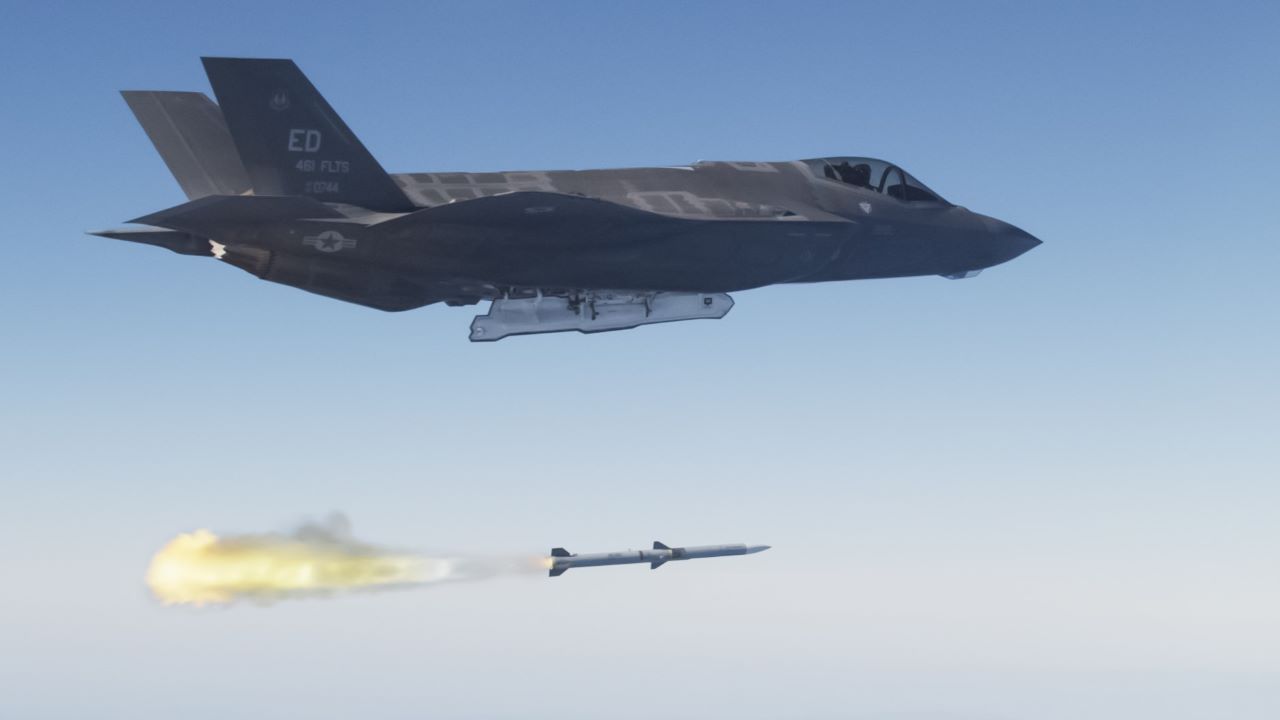
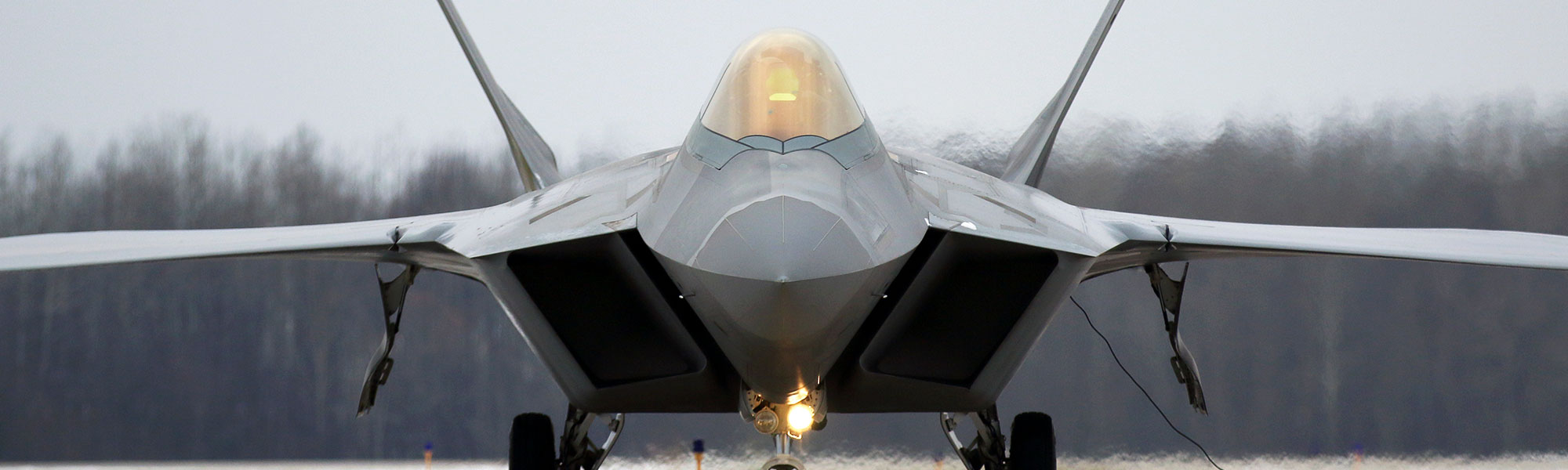
AIM-120C was introduced in 1996 with significant changes both in terms of size and performance and technology. The AIM-120C was developed with smaller control surfaces so it can be loaded into internal weapons bay of F-22 Raptor and F-35 Lightening aircraft.
This is the most advanced version of AIM-120 and was introduced in 2015 with major changes in technology and performance of the missile. These upgrades included enhanced two way data link, GPS guidance, longer range, improved resistance to electronic jamming, new warhead and improved accuracy.
Contractors: Raytheon; Northrop Grumman; Nammo Group (propulsion).
First Flight: December 1984.
Delivered: 1988-present.
Initial Operational Capability (IOC): September 1991; July 2015 (120D).
Active Variants: •AIM-120B. Upgraded, reprogrammable variant of AIM-120A. •AIM-120C. Production variant optimized for the F-22/F-35. •AIM-120D. Latest variant with GPS guidance, improved range, lethality, and jam-resistance.
Dimensions: Span 1.7 ft, length 12 ft, diameter 7 in.
Propulsion: Boost-sustain solid-propellant rocket motor.
Performance: Supersonic, range 20+ miles.
Guidance: Active radar terminal/inertial midcourse.
Warhead: HE blast-fragmentation.
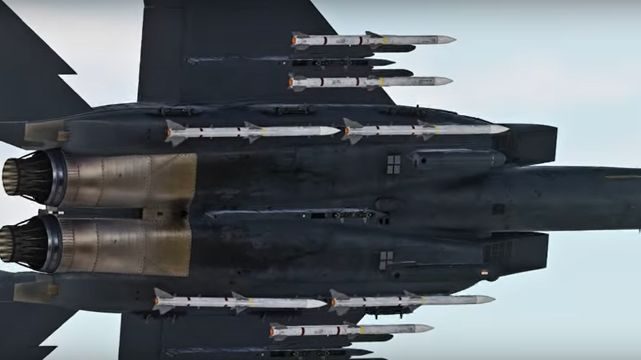
Integration: F-15C/D/E, F-16C/D, F-22A, F-35A.
NATO Launch code: Fox3
Currently, there are 41 countries using different versions of AIM-120 AMRAAM air to air missile.
Modern fighter jets today are not just flying machines but are a power house of latest aviation technologies that took...
Lockheed Martin F-22 Raptor: The Pinnacle of Air Superiority The Lockheed Martin F-22...